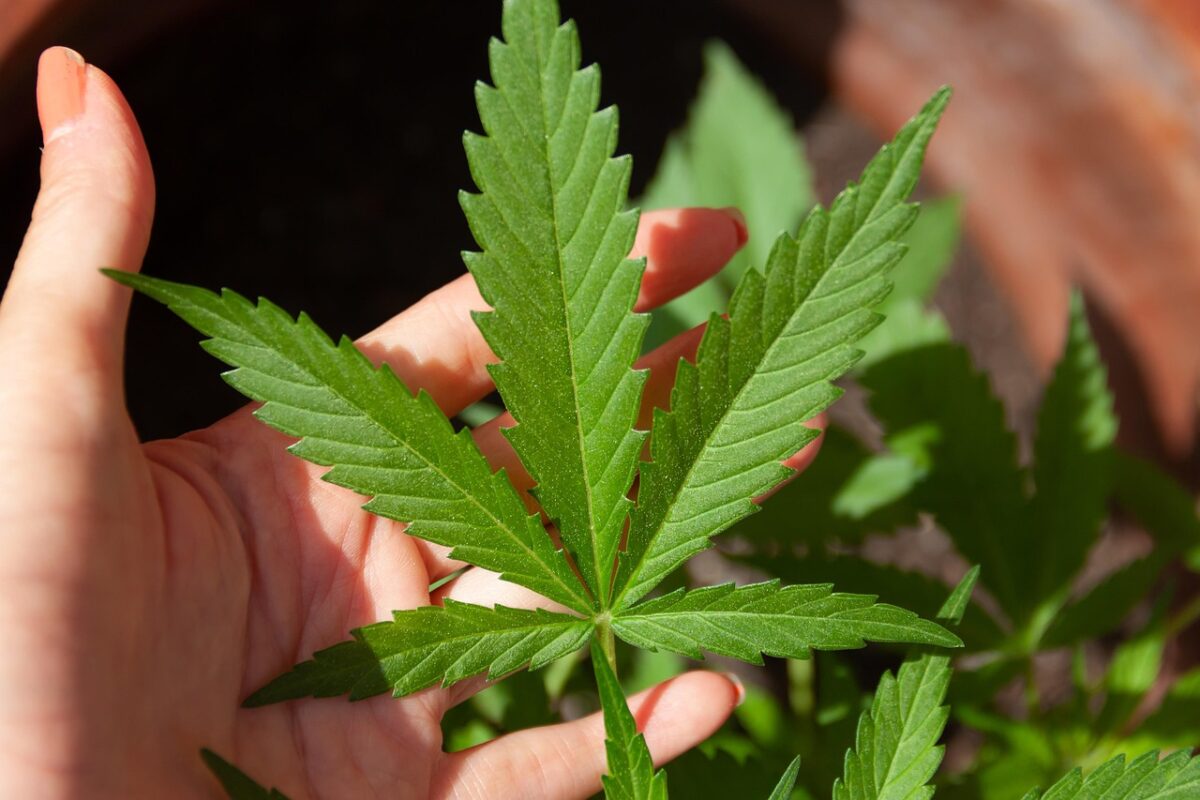
If Idaho were to choose to legalize marijuana for medicinal purposes restricted to prescriptions issued by licensed physicians or naturopaths it would enter a complex intersection of public health, personal liberty, medical science, and policy. This is not a simple debate with a clear right or wrong answer. This is a multifaceted issue that demands careful consideration of both the compelling benefits and the legitimate concerns that accompany this legislation. Understanding both sides is essential for patients, healthcare providers, policymakers, and communities that will be navigating this landscape. I might suggest that currently Idaho’s legislature seems to be unable to pass either repeal of the Grocery Tax or one of three Immigration Bills so it is doubtful in my opinion that they are ready to broach the subject of cannabis legalization.
The Case for Medicinal Legalization in Idaho

Pain Management and the Opioid Alternative: The most compelling argument for legalizing medicinal marijuana is its potential to serve as a safer alternative to opioid-based pain medications. The United States has been ravaged by an opioid epidemic that claims tens of thousands of lives each year. Research has consistently shown that states with medicinal marijuana laws tend to see reductions in opioid prescriptions, opioid-related hospitalizations, and overdose deaths. For patients suffering from chronic pain whether it be cancer, fibromyalgia, nerve damage, or degenerative conditions cannabis can provide meaningful relief with a dramatically lower risk of fatal overdosing. Cannabinoids interact with the body’s endocannabinoid system to modulate pain signals, which offer an alternative pathway that does not carry the same respiratory suppression risk that makes opioid overdose so deadly.
Treating Conditions with Limited Pharmaceutical Options: Medicinal marijuana has demonstrated clinical value for a range of conditions that are often poorly managed by conventional pharmaceuticals. Patients with multiple sclerosis report significant reductions in muscle spasticity. Those undergoing chemotherapy frequently use cannabis to combat treatment-induced nausea and vomiting when other antiemetics have failed. People living with epilepsy — particularly children with rare, severe forms like Dravet syndrome have experienced dramatic seizure reductions with cannabidiol based treatments. Individuals with glaucoma benefit from cannabis’s ability to reduce intraocular pressure. For these patients, medicinal marijuana is not a luxury or a loophole and it is often a lifeline that needs to be considered in the decision to legalize distribution by licensed medical professionals.
Mental Health and Quality of Life: When cannabis is responsibly prescribed and monitored by a licensed physician or naturopath, it can meaningfully improve the quality of life for patients with certain mental health conditions. Veterans and trauma survivors suffering from post-traumatic stress disorder (PTSD) have found relief from nightmares, hypervigilance, and anxiety through carefully managed cannabis therapy. Patients with anxiety disorders and insomnia have similarly reported improvement, particularly when using lower-THC, higher-CBD formulations. The naturopathic model, which emphasizes treating the whole person through natural therapies, aligns well with the integrative use of cannabis alongside lifestyle changes, nutrition, and other holistic interventions.
Regulatory Oversight and Patient Safety: Legalization under a physician or naturopath prescription model brings a necessary critical layer of oversight that black-market cannabis lacks entirely. When medicinal marijuana is legal and regulated, products must meet high quality and safety standards so that dosages become more consistent and predictable. Patients need to understand about appropriate strains, delivery methods, and quantities before receiving treatments. Physicians must monitor for adverse effects, drug interactions, and signs of dependence. This medical supervision fundamentally changes the risk profile compared to unsupervised recreational use, offering a therapeutic relationship central to protecting the patient.
Economic and Social Benefits: Legalizing medicinal marijuana generates tax revenue that states should direct toward healthcare, education, and drug treatment programs. It also reduces law enforcement costs associated with prosecuting marijuana-related offenses, freeing resources for more serious public safety concerns. Socially, medicinal legalization can begin to address economic disparities in marijuana-related arrests, which have historically fallen disproportionately on minority communities despite similar usage rates across demographics.
The Case Against — Or Need for Caution in Legalizing Cannabis
Risk of Misuse and Diversion: The most persistent concerns about medicinal marijuana programs is that prescriptions can become a gateway to much broader, unsupervised use. In some states, loosely regulated programs have made it relatively easy to obtain a medical card with minimal clinical justification. Licensing standards must be strictly enforced, or else the “medicinal” framework can become a legal workaround rather than a genuine healthcare pathway. Another problem is diversion where cannabis that has been legally obtained is sold or shared with non-patients which remains a tangible problem in states where oversight is weak.
Mental Health Risks, Particularly in Vulnerable Populations: Cannabis is not without serious psychological risks. High-potency THC products have been linked to increased rates of psychosis, anxiety disorders, and cannabis-induced mood disturbances. Individuals with a personal or family history of schizophrenia, bipolar disorder, or psychosis face significantly elevated risk from regular cannabis use. Prescribing marijuana to patients with these conditions requires extreme caution and thorough psychiatric evaluation. These important steps may not always occur even within a licensed medical framework. Another problem is that young adults, whose brains are still developing, face heightened vulnerability to long-term cognitive effects including memory impairment and reduced processing speed.
Inconsistent Evidence and Gaps in Research: Due to the many federal restrictions limiting cannabis research for decades in the U.S. the evidence base for using medicinal cannabis while still in its infancy is growing but remains incomplete. Most of the studies are small, short-term, or have been limited by federal restrictions severely hampering cannabis research. For some conditions for which cannabis is commonly prescribed including certain anxiety disorders and general chronic pain the evidence is promising but not yet definitive by the rigorous standards applied to conventional pharmaceuticals. Prescribers must navigate this uncertainty responsibly, which requires ongoing education and honest communication with patients about what is and is not yet known. It is hoped that the Trump administrations appointment of many new members of the HHS, CDC & FDA led by Robert Kennedy Jr. will open many new doors to the research of cannabis and its future medicinal potential.
Impairment, Public Safety, and Workplace Issues: Even medically authorized cannabis use raises legitimate public safety concerns. It is clearly recognized that patients who medicate with THC-containing products may be impaired and should not drive or operate heavy machinery a reality creating complications for those who rely on cannabis for daily symptom management. While there is no reliable roadside test for cannabis impairment like there is for alcohol the only restriction we put on alcohol is an age limit while the legalized use of cannabis is made by a qualified physician. Enforcing the use of cannabis may be difficult but only if physicians do not adhere to the rules. Employers in safety-sensitive industries face difficult decisions about how to accommodate medicinal users while maintaining workplace safety standards. Then again these employers have been dealing with the danger of alcohol abuse and safety problems in the workplace for many years.
Finding the Balance
The legalization of medicinal marijuana: under the supervision of licensed physicians and naturopaths represents a measured, patient-centered approach and acknowledges both the therapeutic potential and the potential risks of cannabis. The key to success lies in the quality of oversight: rigorous physician training, strict product testing and labeling standards, clear prescribing guidelines, and robust monitoring for misuse and adverse effects. If and when these safeguards are put in place, medicinal marijuana can serve as a genuinely valuable tool in a state’s healthcare toolbox. It will expand patient options, reduces reliance on more dangerous substances like opioids, and honors the principle that patients, guided by qualified professionals, deserve access to the full spectrum of evidence-based therapies available to them.
Pharmaceutical companies are actively lobbying against cannabis legalization: They are concerned that it will erode their market share as many patients are turning to cannabis for treatment instead of the traditional medications. This opposition is especially strong among companies that produce painkillers and other pharmaceuticals that cannabis can effectively replace. Any attempt by a state to legalize the use of medicinal cannabis will face a strong assault by companies like Purdue Pharma and Abbott Labs who have made significant donations to organizations opposing cannabis legalization. Big Pharma is also involved in lobbying efforts to shape regulations that will limit the growth of the cannabis market as it is predicted that the increased use of cannabis will cost the pharmaceutical companies billions in lost revenue.
“We Get the Government We Deserve.”




6 replies on “Medicinal Marijuana Legalization: Let’s Weigh the Benefits and Risks”
An excellent and well-researched article. Physicians should be allowed to prescribe medicinal MJH for specific medical indications.
An excellent review of the science and economics of MJH is in Alex Berenson’s Book TELL THE CHILDREN.
https://www.amazon.com/Tell-Your-Children-Marijuana-Violence/dp/1982103663
As soon as Medicinal marijuana is allowed and Doctors and or physician assistants begin to write scrips, you will see the mentally ill lined up at the dr offices claiming PTSD. The children will have it in the vitamin “gummies and you will see over whelming psychosis diagnosis in the medical books. You won’t find good reporting just like the damage done by the CV19 and booster shots.
A very well balanced article. Thank you. What I cannot get around with either opiates or cannabis is the issue of chronic pain in older individuals. If you are 80 or older, for example, what does it matter if you become addicted? The issue is the chronic non stop pain. The naysayers should try living with some of the painful conditions I have seen in the elderly.
Agree with the other poster, a thoughtful and balanced article.
The biggest issue of all is the rise, invasiveness, retribution and violence of the POLICE state.
Some people are going to abuse whatever substance it is -whether ‘legal’ (‘approved’), ‘illegal’ or ‘limited legality’.
Thrusting people into the ‘justice’ (lol) system -or worse, the prison system- for possessing and/or using an ‘unapproved’ thing -rather than (in this discussion) a treatment protocol (if needed at all -and that should be at the consumer’s discretion) is an affront against liberty that every freedom-loving person should rightly be offended by -regardless of whether they believe in one intoxicant or another
-or none.
As well, the medicinal aspects of it all and the machinations of big Pharma as cited in the piece here should tell the tale for everyone.
Get government -and most importantly, the POLICE- out of people’s private lives and personal business.
All other aspects of ‘inebriation’ (the when and where) are addressed in existing law, (even some of those should be re-looked at).
Whatever harm may come of misuse of substances (‘legal’ and ‘illegal’), none of it comes close to the damage done to people -and the families and loved ones of those lives ruined- caused and perpetuated by The Police State and government intrusion .
– not to mention the self-serving, well-financed lobbying campaigns for legislators their (not yours) ‘regulators’, police and the distortions those monies cause/create
And all cards on the table, I have nothing to do with any ‘marijuana’ products of any sort, so my dog in this fight is more about personal liberty and reducing the size, scope and invasiveness of the POLICE state.
The part that stood out for me was “responsibly prescribed”. I have a nephew who got a prescription for anxiety but he was already an abuser so it was just a step of enablement.
The only relevant issue here is freedom. Government should not be allowed to decide what foods are healthy or unhealthy, what medicines are acceptable or unacceptable, or what medical choices are wise or unwise. NONE of these decisions are remotely within the proper role or purview of government. No medicines should be illegal for consenting adults. Period.