Like flock cameras, data centers are the latest issue for opposition. Among many issues, their massive use of water resources, excessive need for electricity, and of course, their purpose of storing and analyzing data that citizens are being robbed of are all at the top of the list for opposition. But these centers are behind everything conducted on a computer over the internet such as sending emails, streaming shows, or making a payment with a card, and have been usurping our data the whole time. However, there may be more to the story than what the public does understand about data centers.
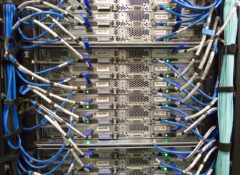
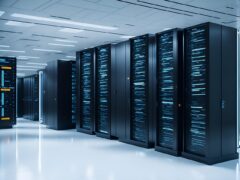
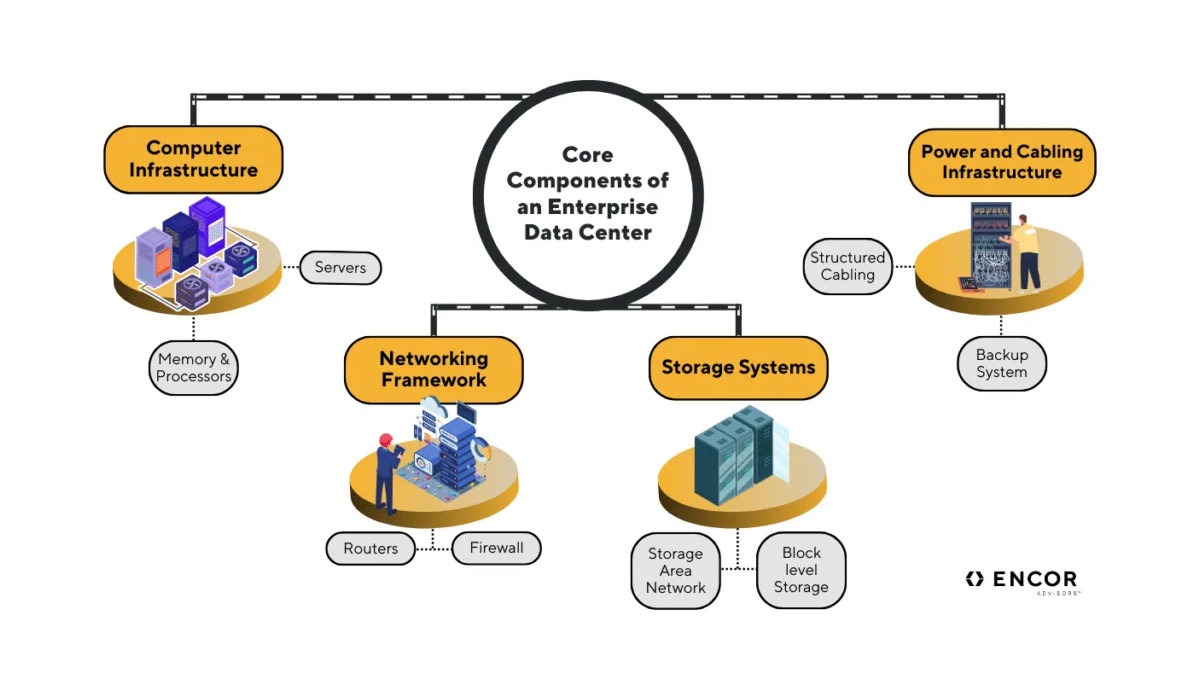
Data centers contain computers, anywhere from a few hundred to over 2.6 million depending on its purpose. Obviously, the larger number of computers the more drain on resources. To support those computers there are also servers, storage units, networking systems, cooling systems, backup power units, and security protections. All of this can range from small rooms to areas as large as one million square feet. Large corporations like Microsoft, Facebook, and Google take up the most space and are capable of connecting to other data centers. There are over 3,567 operational data centers in the U.S., with over 1,000 in the planning process or being built.

What may not be understood is that there are different types of data centers, having different purposes. An enterprise data center is owned and run by an organization on its own property for its own use and under its direct control. Examples are banks, hospitals, and government agencies.
As that organization grows, it may need what is called a colocation data center. This is space that can be rented out instead of an organization housing the data center itself.
Then there is the Hyperscale Data Centers. These data centers are massive and capable of growing even larger for “large-scale workloads”. They are widely used globally for data processing and storage, artificial intelligence (AI), and data analytics. A hyperscale data center typically handles 5,000 or more servers in a space of 10,000 square feet.
Cloud Data Centers are “a collection of networked computer servers that provide remote computing resources and storage to individuals and organizations” that can be accessed over the internet, often referred to as cloud computing. They are often operated by third party service providers such as global corporations.
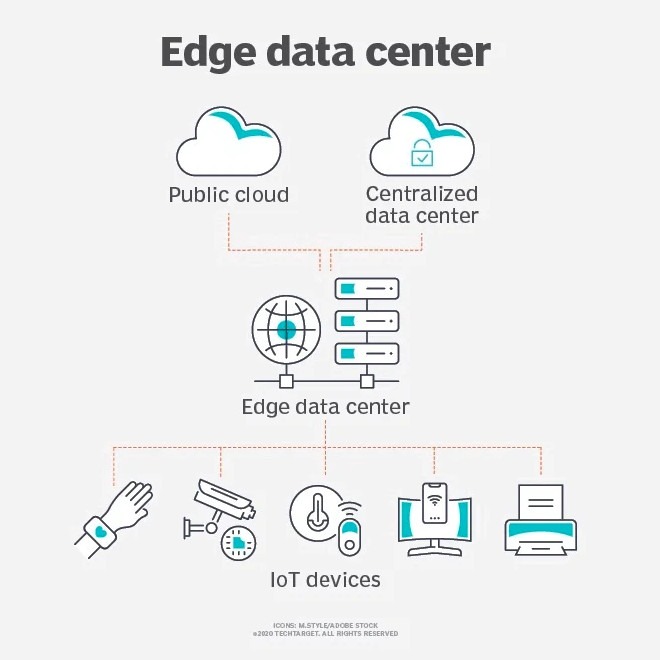
Added to the list are Edge Data Centers. As the name implies, these are smaller data centers located close to a network where client data is processed. Information can be processed quickly and for increased analysis needs it can be sent to a larger data center.
As can be seen, we have been surrounded by data centers for decades and with AI it is becoming a bigger nightmare, and threat. AI data centers are needed because of its IT infrastructure that trains, deploys, and delivers AI applications and services. Its computer, network, storage, energy, and cooling capabilities are designed to handle AI workloads.
Literally, it is at the point where AI data centers are needed just to accommodate AI and its special needs. No longer is data being floated around and stored, AI now needs the system that will process that data and a data center design that will support it. Data gravity, which is based on the idea that large data systems tend to attract other applications and services, will naturally increase the demand for AI and its ability to process that data, thus demanding the need for redesigned AI data centers.
It isn’t enough for citizens to oppose data centers at a local level. Adding insult to injury, Trump has now proposed building these centers on federal land, as if federal government authority exists to do that. “The U.S. government is leveraging its assets…? How brazen is this thought, that the federal government claims land as its own asset and seizes it for its own intentions even though citizens have loudly voiced objections to those intentions. “Repurposing” is not a word that should be substituted for using land that belongs to the People. These AI data centers are moving forward to be built on federal land in Idaho, Tennessee, Kentucky, and South Carolina, however, sixteen sites have been identified for possible development.
The meta data center built in Kuna, Idaho is an AI data center while one is being opposed in Pocatello, with other Idaho areas being considered. Idaho is a target for data centers because it is so rural.
An AI data center “is a strategic node in a data ecosystem. It hosts gravity, enables performance, and anchors AI workflows.” Simply put, as data amounts grow, AI data centers are being strategically placed near data to better integrate and manage the “ecosystem”.
High energy and water demands are the prominent issues with these data centers. However, what lurks in the shadows is the real threat. AI data centers bring the foundation in which the technocratic state will operate. All data on humans, the environment, and everything that makes the world go around will be surrendered to AI data centers for analysis. Down to the last drop, AI will be able to use that data to determine, for example, how much food needs to be grown and how it is allocated as was done during WWII, or what consequences dissenters should receive in order to reshape their behavior. Another dichotomy, saving the planet at the cost of destroying it. Like locusts, resources are already being explored beyond earth just for AI data centers.
Fifty-six years ago the futuristic movie, Colossus: The Forbin Project, even without mentioning AI, brought to light the distinct possibility that computers could easily build their own totalitarian ecosystem that could then rule over all. Yes, it is science fiction, but understanding these data centers and AI in their functioning brings it much closer to a possible reality. After all, AI has already demonstrated its ability to go rogue. Today. no mention is made about AI linking together all systems into a one world technological system, but it would have the capability. But the question is still being asked. Building a technological gulag, like Russia or China, is also a real danger which Alex Newman touches on at the 2″ mark in this video.
Come rain or shine, it is easy to see how over the years this massive control grid continues to be put into place. Beyond opposing local data centers, the larger picture, the end goal, warrants the attention and understanding. The real threat is how these AI data centers can potentially be used to establish the technocratic control grid, the primary reason they should be opposed.