
“Fight on, my men,” Sir Andrew said.
“A little I’m hurt, but yet not slain.
I’ll but lie down and bleed awhile,
And then I’ll rise and fight again.”
Last night’s midterm election was an old-fashioned political whipping. There is no polite way around it. But losing an election is different from losing the argument, and winning one does not confer wisdom, integrity, or a permanent claim on the public’s trust.

In an earlier column, I argued that the central issue in our local, state, and national elections was corruption. Whatever the final returns reveal about voters’ motives, that concern deserves to remain at the center of our political conversation.
I do not believe either major political party holds a monopoly on dishonesty. I do believe that the greater the power concentrated in a politician, party, or institution, the greater the temptation to abuse it. Corruption thrives when loyalty replaces scrutiny and when citizens excuse conduct by their friends that they condemn in their opponents.
Corruption is not limited to crimes. Conduct can be legal and still betray the public trust. A developer’s complimentary golf outing, a corporate-sponsored lunch, or privileged access at an exclusive political gathering may violate no statute. Nevertheless, each raises a reasonable question: Whose interests are being served?
The issue is not whether every sandwich purchases a vote. It is whether public officials become so comfortable accepting private favors that they forget the distinction between serving their constituents and accommodating their benefactors.
Our founding generation understood that danger. Hamilton, Jefferson, and Madison differed profoundly about government, but their disagreements did not erase the underlying problem: How could a republic entrust people with power without allowing them to turn that power toward private or factional advantage?
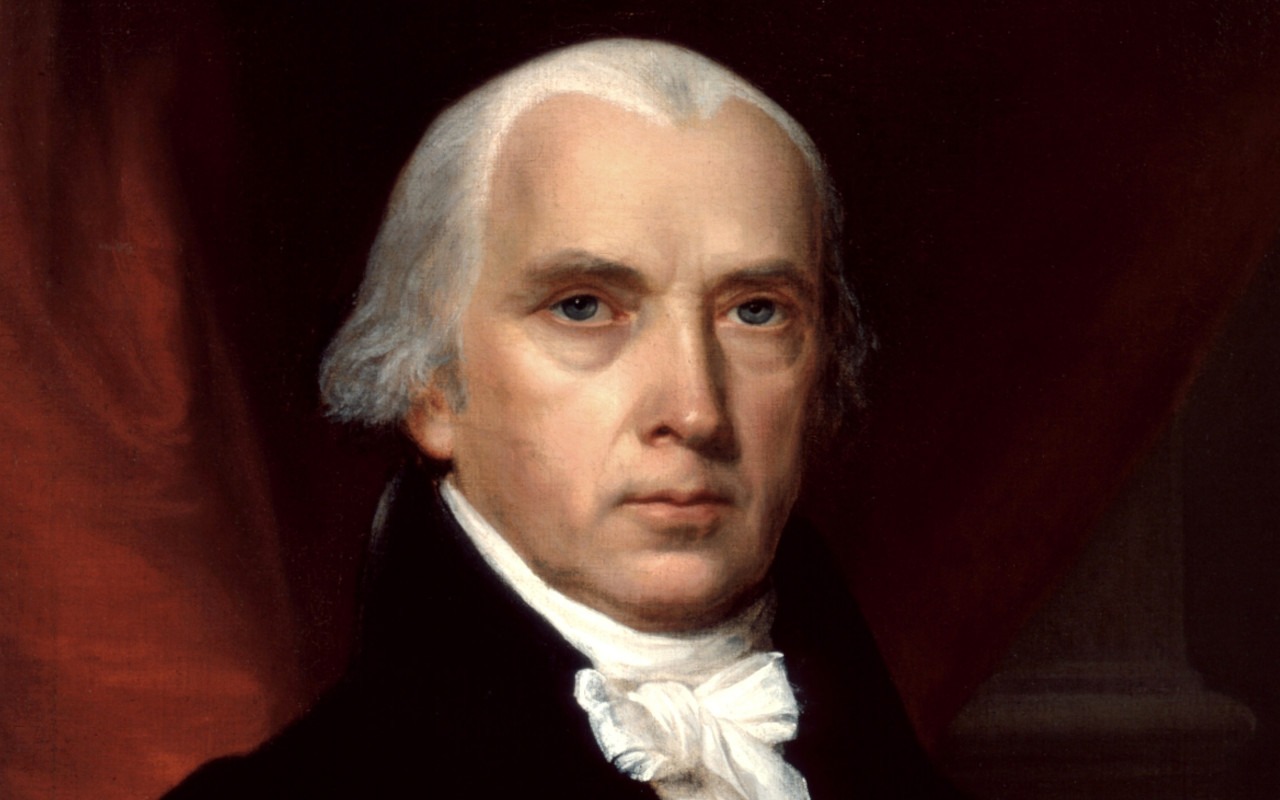
In Federalist No. 10, Madison wrote: “No man is allowed to be a judge in his own cause; because his interest would certainly bias his judgment, and, not improbably, corrupt his integrity.” That warning applies as readily to today’s congressional stock-trading controversies as it does to legislation benefiting favored industries. The standard should not change with the party affiliation of the person under scrutiny. Allegations require evidence, and wrongdoing requires accountability—not partisan excuses.
If Democrats demand investigations of Republicans, they must accept equally serious scrutiny of Democrats. Republicans must accept the same obligation. Otherwise, “ethics” becomes merely another campaign weapon, drawn against opponents and quietly sheathed when an ally comes into view.
I learned something about that distinction from my father-in-law. Upon retiring from the Navy, he was offered a position on Boeing’s board. He declined because he believed that moving from service in an organization that purchased Boeing products to representing the company created an ethical conflict. Another retired admiral accepted the position.
My father-in-law’s decision did not depend on whether someone could prove a violation of law. He asked a more demanding question: Was it right?
How many public officials ask that question before accepting a favor, pursuing a financial opportunity, or arranging their next job? How many would willingly surrender a personal advantage to preserve public confidence? Those questions matter more than declarations of virtue. Winning an election does not establish character. Neither does wearing religion on one’s sleeve, invoking the Constitution, or claiming to speak for ordinary Americans.
Madison understood that elections themselves offered no guarantee against betrayal. He warned that people “of factious tempers, of local prejudices, or of sinister designs” might obtain the people’s votes and then betray their interests. That is why constitutional government requires more than good intentions. It requires limits, competing institutions, public scrutiny, and citizens willing to hold their own side accountable.
Federalist No. 51 expresses the problem with enduring clarity: “If men were angels, no government would be necessary. If angels were to govern men, neither external nor internal controls on government would be necessary.”
We are not governed by angels. We should stop behaving as though our preferred candidates become angels upon taking office. What concerns me most is whether those entering public service understand the responsibilities they have inherited. Our constitutional order is not simply an obstacle to ambitious programs. Its restraints are safeguards against the certainty that human beings, however inspiring their promises, remain susceptible to ambition, vanity, and self-interest.
I want leaders who understand the Enlightenment ideas and Judeo-Christian moral traditions that I believe help illuminate our national inheritance. More important, I want them to practice humility, honesty, restraint, and respect for the rights of others.
The answer to electoral defeat is neither despair nor blind retaliation. It is renewed citizenship: examining evidence, demanding consistent standards, and refusing to confuse political victory with moral vindication.
So let us bleed awhile, if we must, and then rise to fight again—not merely for a party’s return to power, but for a renewed constitutional conscience and a government worthy of the people’s trust.

Leave a Reply