When serving as a junior officer aboard the USS Virginia (CGN-38), it was possible to watch two very different leadership styles under two commanding officers with equally impressive résumés. One captain went on to become a vice admiral: the other retired into mediocrity. The contrast between them offers a useful lens for looking at how Idaho’s government is handling money, oversight, and accountability today.
Two captains, two styles: The Virginia was the first nuclear-powered guided-missile cruiser of its class, crewed by some of the Navy’s most capable nuclear-qualified engineers and surface warfare officers. It naturally attracted intense scrutiny from the Pentagon and visiting politicians, with frequent inspections and regular nuclear readiness teams coming aboard, sometimes including Admiral Hyman Rickover himself.

Captain George Davis embraced this scrutiny. His message was simple: if everyone did their job, the inspections would only confirm our readiness and professionalism. In the weeks leading up to major inspections, nothing really changed. Preventive maintenance continued, drills ran as usual, and qualifications proceeded in an orderly way. Routine was our ally. Confidence in the process was the key.
His successor—whose name is not needed here—modeled the opposite. In the run-up to an inspection, he panicked. Watches ran around the clock even in port, department head meetings dragged on endlessly, and the crew knew he did not trust either them or the systems already in place. Fear radiated from the top and was obvious not only to the sailors but also to the inspectors.
Idaho government and the “panic captain”: Much of Idaho’s current Republican leadership, especially in the governor’s office, looks more like that second captain. Instead of calm, confident stewardship of taxpayer dollars, citizens see overspending, unaccountability, and a visible reluctance to invite real, outside scrutiny.
Consider just a few examples often cited by critics: tens of millions of dollars effectively lost or wasted in ventures like the Idaho Health Data Exchange; serious questions about how Medicaid contracts are awarded and managed; and the ballooning cost of Medicaid overall, even while enrollment has declined. The LUMA accounting and supply-chain system still has not delivered what was promised. At some point, “ongoing implementation challenges” start to look less like bad luck and more like systemic failure—or worse, deliberate avoidance of transparency.
Audits show confidence—or fear: Some Republican governors in other states have openly welcomed independent, outside audits of their departments and agencies. Doing so says, in effect, “If we are doing our jobs, the inspection will confirm it.” It is the George Davis model of leadership. In contrast, Idaho’s leadership has offered internal reviews and half measures that fall short of true independence. “Idaho DOGE” has functioned more like a dodge than real accountability—a sleight of hand that leaves taxpayers guessing.
In the corporate world, outside auditors work for the shareholders, not the executives. The same principle should apply in Idaho. Taxpayers are the shareholders. Auditors should answer to them, not to the political class or agency heads whose work is being examined. If Idaho’s leaders truly have confidence in their stewardship, an independent audit—particularly of Medicaid and the Health Data Exchange—should be welcomed, not feared. Refusing such scrutiny amounts to an admission of a “failure to execute.”
Accountability begins at home: Commentators have argued that each political party must first hold its own members accountable rather than merely attacking the opposition. It is easy—and largely useless—for Republicans and Democrats to trade accusations while inefficiencies and waste quietly multiply. It is much harder for each party to confront “the log in its own eye.” Idaho Republicans should be willing to demand accountability from their own. If any Democrats remain in meaningful numbers in the state, they should do the same on their side.
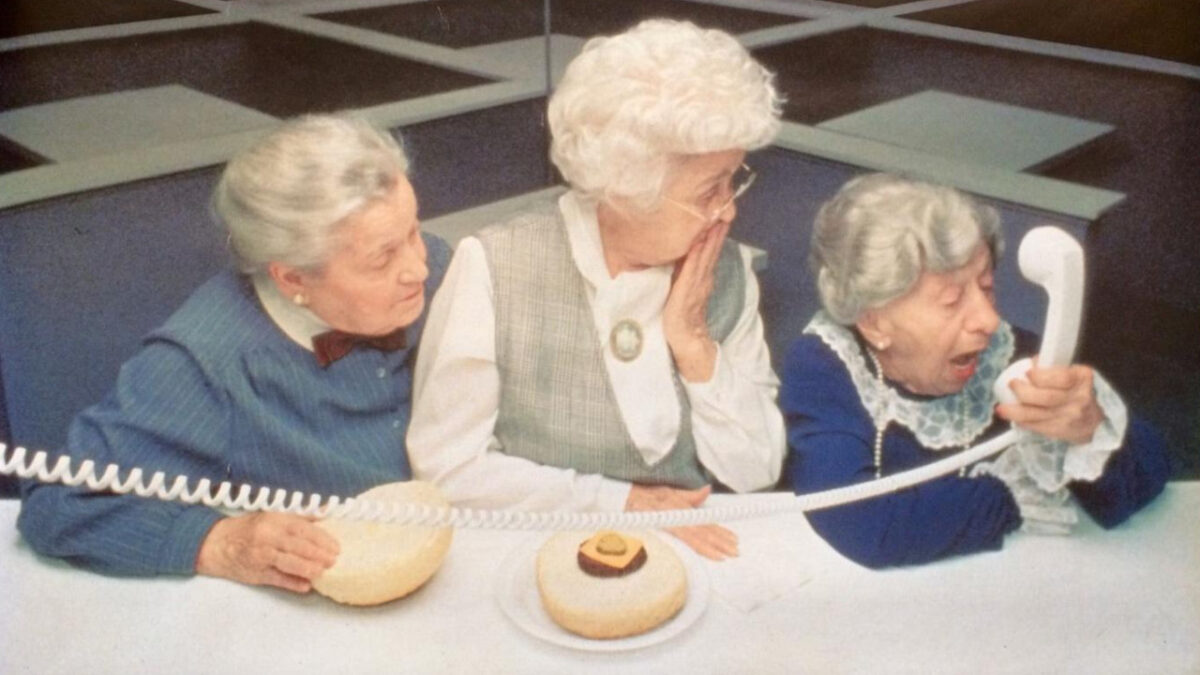
The old fast-food commercial asked, “Where’s the beef?” The same question now applies to Idaho’s leaders. Are they confident enough in their own performance to invite real inspection and prove the numbers? Or will they continue to behave like the panicked captain, hoping frantic activity and internal spin will substitute for calm, verifiable competence?
In Idaho today, voters are right to ask: Where’s the beef?

One reply on “Where’s the Beef?”
You are right on. Auditors of the State should be independent – not part of another government agency.