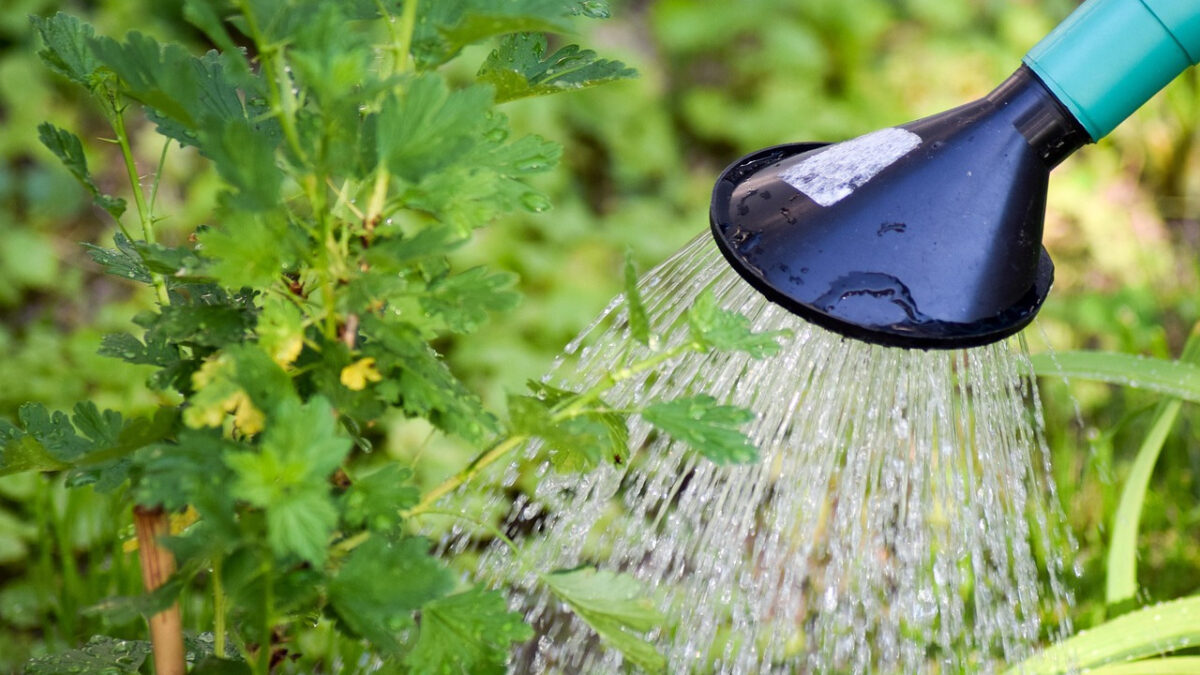
My Quaker grandmother told me a story early in my life about “The Seed of Hate.” The theme is deeply biblical, but it appears in other religious traditions and cultures as well. For Christians, the story centers on the idea that hatred begins as a small seed in the heart and, if allowed to grow, it destroys relationships, families, institutions, communities, and neighborhoods.
Christian storytellers often invoke imagery from passages about sowing and reaping, such as the parable of the wheat and the weeds, where harmful seed is sown among good seed and allowed to grow. What begins as inward resentment, envy, and jealousy can mature into a storm of violence. The typical story arc is simple: someone experiences a wound—an injustice, a rejection, a moment of jealousy—and quietly nurses’ anger instead of forgiving. That anger becomes a seed that grows into bitterness, leading to gossip, division, betrayal, and sometimes literal violence. In Christian framing, the seed of hate grows when a person rehearses grievances, refuses reconciliation, or “waters” spite through conversation, media, or companions who stoke hostility. The moral lesson is that even small, nursed resentments become destructive if they are not confessed, forgiven, and uprooted.

In Matthew 13, in the parables of the weeds, the mustard seed, and the yeast, we see how something very small can have outsized effects. Taken together, they tell a simple truth: a bad seed can overrun a good crop; the smallest of seeds—the mustard seed—can grow into a large plant; a small amount of yeast can make flour and water rise. As I grew older, a deeper lesson emerged: we can decide which small seed we allow to live in our hearts, to grow and to rise. If we allow weeds into our hearts, the good seed will not be allowed to grow. Each individual ultimately is responsible for the seed that grows in his or her heart. Someone may try to plant a bad seed—or throw weeds into your field—but in the end that person or circumstance is not who will be held accountable. We are accountable for what we cultivate in our hearts and for how we act toward others.
Those parables come to mind when considering the anger and hate that so many of us have become numb to. We see it in everyday interactions, in workplaces and neighborhoods, but today it is most visible in our politics. Perhaps our politics is simply the overflow of what is already percolating in our hearts as we live our private lives. Politics has always been a contact sport, and passions, if truth be told, often matter more than carefully articulated policy positions or well-grounded political philosophy. Passion and intuition can energize a movement; hate, by contrast, destroys. It seeks to destroy the object of hatred—whether a political opponent or a business competitor—but in the end it destroys the hater as well. Love builds upon itself. Hate corrodes the individual and then the neighborhood, the organization, and the nation.
Recently, listening to senators condemn President Trump and Pete Hegseth over the bombing of drug boats, or hearing figures such as AOC, Bernie Sanders, or Jasmine Crockett, along with media pundits, casually deploy words like “sexist,” “fascist,” and “Nazi,” what stands out is not argument but animus. The reflexive impulse is to ask: What is going on inside a person that makes such language feel necessary, even satisfying? Sometimes it sounds less like moral clarity and more like self-hatred projected outward.
The same dynamics emerge closer to home. When neighbors cry for “retribution” in local land covenant disputes, the distance between logic and emotion stretches a little farther with every speech. Pro-life advocates are routinely labeled “misogynistic”; those who oppose transitioning young people are labeled “homophobic.” On the other side, when pro-life voices use words like “murder” and “infanticide”—even if they sincerely believe that is what is happening—they should at least recognize they may be planting seeds of hate in others’ hearts. Once the seed is planted, there is little room left for logic or debate.
A recent Psychology Today article offers a more secular explanation; put plainly: “Self-hatred often leads to outward hate. People who loathe themselves frequently project that inner contempt onto others, seeing them through a lens of criticism and disdain. The result is a harmful feedback loop, where internal struggles manifest as hostility, and hostility in turn deepens the inner turmoil. Hate becomes both the symptom and the fuel.”
Temperance and prudence do not grow in soil fertilized by hate. Solutions rarely come from those who are seething. Clever actors can always find a way to manipulate angry people, pointing them toward a convenient villain and urging them to “do something” about the alleged evil in their midst. Stirring up hate can provide a temporary catharsis—a way of venting our own unresolved guilt and fear by projecting it onto someone else. History offers grim examples: the Salem witch trials, or the lynchings of innocent Black men and women in the Jim Crow South. Is it really believable that those who gathered at such spectacles had a healthy regard for themselves or their neighbors? More likely, they had allowed the seed of hate to grow within them until the weeds choked out any remaining good seed.
My Quaker grandmother also warned me to be careful of thoughts because thoughts turn into words, words turn into actions, actions turn into habits, and habits define a life. Today, far too many people seem to be taking the fast lane from thought to word to action—with little reflection in between. If the seed we choose to water is resentment and contempt, we should not be surprised when our politics, our institutions, and our communities begin to look like a field overrun with weeds.
If we want to “do some business” again—to reason together, to solve problems, to live as neighbors—we must start further upstream. Stop hating others in your mind. Refuse to rehearse grievances for sport. Choose carefully which seed you will allow to grow in your own heart. The harvest, for better or for worse, will follow.